Published: 11/2026
by Lawrence Mitchell
Mold Inspection vs Mold Testing: Which One Do You Need?
Many homeowners use the terms mold inspection and mold testing interchangeably, but they are not the same process. Both can provide useful information about a possible mold concern, but they are designed to answer different questions.
A mold inspection looks at the overall condition of a property, including possible moisture problems, visible concerns, and areas that may require further attention. Mold testing focuses on analyzing samples collected from the environment to provide additional information about what may be present. Understanding the difference can help determine which approach makes the most sense for your situation.
Mold Inspection vs Mold Testing: The Main Difference
Mold testing focuses on samples collected from specific areas. Depending on the type of testing performed, samples may be analyzed to identify mold types or provide information about mold spores found in the sample.
| Mold Inspection |
Mold Testing |
| Evaluates the property and surrounding conditions |
Evaluates collected samples |
| Looks for moisture concerns and possible affected areas |
Provides information about mold found in samples |
| Helps identify possible causes and next steps |
Provides additional information for specific questions |
Neither approach replaces the other. The right choice depends on what information is needed.
What Does a Mold Inspection Look For?
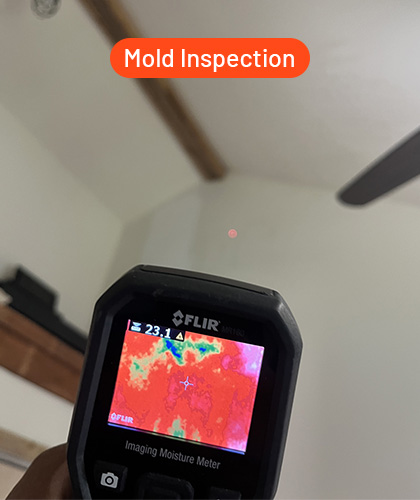
A mold inspection helps evaluate the conditions that may contribute to a mold concern. Rather than focusing only on a single sample, an inspection considers the bigger picture, including whether there are signs of moisture, previous water damage, or areas where mold may be developing.
A mold inspection may help answer questions such as:
- Is there a moisture problem contributing to mold growth?
- Are there areas that may need further evaluation?
- Could there be conditions supporting mold development?
- What steps should be considered next?
This type of evaluation can be especially useful when the source of a concern is unclear or when mold keeps returning after cleaning.
What Does Mold Testing Tell You?
Mold testing provides information about samples collected from a property. Depending on the testing method, results may identify types of mold or provide information about the concentration of mold spores found in the collected sample. This information can be useful when there is a specific reason for testing. For example, testing may be considered when there is concern about indoor conditions but no visible mold, when documentation is needed, or when additional information is requested as part of a larger evaluation.
However, testing only provides information about the samples collected. It does not identify the source of moisture, determine how far mold may extend, or explain why the problem developed.
When Should You Consider a Mold Inspection?
In many situations, a mold inspection is a useful first step because it helps identify what may be happening in the property before deciding whether additional testing is needed.
A mold inspection may be helpful when:
- You See Visible Mold
When mold-like growth is visible, the important questions are often not only what type of mold is present, but also why it developed and what areas may be affected.
- There Is a Musty Odor
A persistent musty smell in a house can sometimes indicate moisture problems or areas that need further evaluation, even when visible mold is not immediately obvious.
- There Has Been Water Damage
Leaks, flooding, and ongoing moisture issues can create conditions where mold may develop. Evaluating affected areas and identifying the source of moisture is an important part of understanding the problem.
- Mold Keeps Returning
If mold continues to appear after cleaning, addressing only the visible growth may not solve the underlying issue. Identifying contributing moisture conditions is often an important step.
When Can Mold Testing Be Helpful?
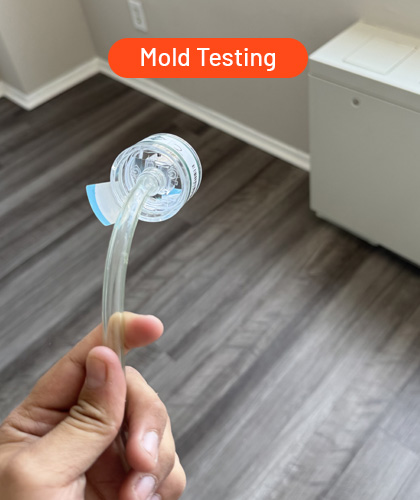
Mold testing may be useful when additional information is needed about a specific concern.
Examples include:
- There are concerns about mold but no visible growth is present
- A homeowner wants additional information about indoor conditions
- Documentation is needed for a property transaction or evaluation
- Testing is part of a broader assessment process
The value of testing depends on the question being asked. A test can provide information about the sample collected, but it should be considered alongside an evaluation of the property itself.
Why Mold Testing Alone May Not Identify the Entire Problem
A mold test can provide useful information, but it does not tell the complete story of a mold concern. Testing does not determine where moisture is coming from, whether materials are damaged, or how extensive a problem may be. Understanding the source of moisture and the affected areas is often necessary before deciding on the appropriate solution. When mold growth has been identified, a professional mold remediation evaluation can help determine what steps may be needed to address the affected materials and prevent the problem from continuing.
Not Sure Whether You Need Mold Testing or an Inspection?
If you are unsure what is causing a mold concern in your home, Mold KO can evaluate the affected areas and look for signs of moisture or conditions that may be contributing to the problem. The assessment can help determine whether testing is appropriate or whether the underlying issue requires attention first. Call Mold KO Today at 888-253-4551.
Frequently Asked Questions
Is mold inspection the same as mold testing?
No. A mold inspection evaluates the property and looks for signs of moisture, visible concerns, and conditions that may contribute to mold growth. Mold testing analyzes samples collected from specific areas.
Do I need mold testing if I can already see mold?
Not always. When visible mold is present, the focus is usually on understanding the moisture source, evaluating the affected area, and determining the appropriate next steps.
Should I get a mold inspection or mold test first?
It depends on the situation. When the cause or extent of a possible mold problem is unknown, an inspection is often a useful first step because it helps determine what additional information may be needed.
Can mold testing find hidden mold?
Mold testing can provide information about collected samples, but it does not locate hidden mold or determine the full extent of growth behind walls, ceilings, or other materials.
If you are concerned about possible mold in your home, Mold KO can evaluate the affected areas, identify potential moisture concerns, and help determine the appropriate next steps.